FMCG logistics is the planning and coordination of storing, handling and moving fast-moving consumer goods, such as food, drinks, toiletries and household essentials. It helps these products reach warehouses, retailers and customers in the quantities and condition required.
Because people buy and replace these goods regularly, businesses need a reliable flow of stock. A missed delivery can leave shelves empty, while too much stock can take up valuable space or remain unsold.
Logistics connects the physical stages of that journey. The wider FMCG supply chain also includes sourcing materials, manufacturing products and planning how to meet demand.
What does FMCG mean?
FMCG stands for fast-moving consumer goods: everyday products that sell frequently and are usually bought at relatively low prices. Examples include:
- Packaged food, snacks and drinks
- Shampoo, toothpaste and other toiletries
- Cleaning products and laundry detergent
- Household essentials such as tissues and kitchen roll
You may also see the term consumer packaged goods, or CPG, used for many of these products.
“Fast-moving” describes how quickly products sell and need replacing. Storage requirements vary considerably. Fresh food may need refrigeration, while packaged household products may have a longer shelf life and different handling needs.
What does FMCG logistics involve?
FMCG logistics covers the work needed to move products between suppliers, manufacturers, warehouses, distribution centres and customers. A business may manage these activities itself or use external logistics providers for particular tasks.
Businesses that outsource storage, stock handling or deliveries can read our guide to 3PL logistics and how it works.
Receiving and storing goods
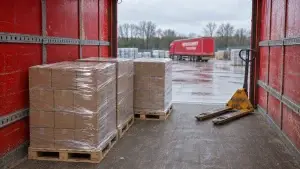
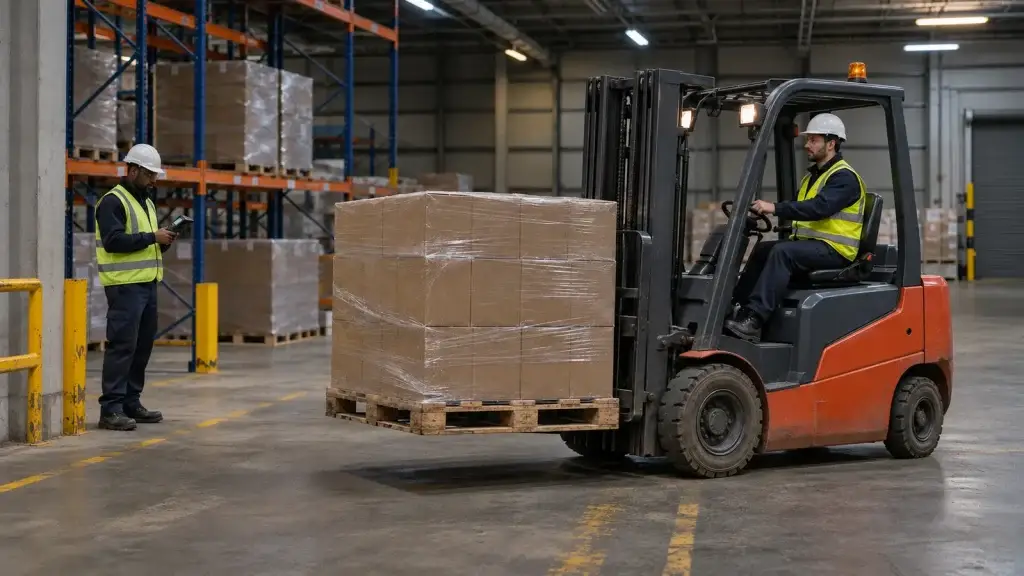
When products arrive at a warehouse, they need to be received, checked and placed in an appropriate storage location. The arrangements depend on factors such as the product, packaging, quantity and how quickly it needs to leave again.
Food products may require food-grade warehousing with suitable hygiene and storage conditions. Temperature requirements depend on the goods being stored; ambient, chilled and frozen products have different needs.
Managing stock and preparing orders
Inventory management helps a business understand what stock it holds, where it is and what is available for dispatch. Goods may leave as full pallets, mixed pallets, cases or individual orders.
Stock rotation determines which goods should leave first. For products with expiry dates, that may mean prioritising the earliest expiry date, helping avoid goods remaining in storage beyond their useful selling period.
Arranging transport and distribution
Transport connects each location in the supply chain. Depending on the shipment, this may involve palletised distribution, full vehicle loads or smaller deliveries.
Some arrangements use freight consolidation, which combines shipments for transport. Others use cross-docking, where goods transfer from incoming to outgoing transport with little or no storage between journeys.
Where goods cross the Irish Sea, transport between Great Britain and Ireland forms another part of the journey that needs coordinating with collection and delivery requirements.
How does FMCG logistics support the supply chain?
Keeping products available
Demand forecasting estimates how much stock customers are likely to buy. Logistics helps turn that forecast into planned stock movements and replenishment: replacing goods as they sell.
The aim is to balance availability with the amount held in storage. Too little stock risks a stockout, when a product is unavailable. Too much can tie up money and warehouse space.
Reliable lead times—the time between an order and its delivery—help businesses decide when to replenish stock.
Connecting supply-chain partners
Manufacturers, warehouses, distributors and retailers need to work from compatible plans. A warehouse needs to know when goods are arriving, while a retailer needs to know when its order will be delivered.
Sharing information about quantities, delivery dates and changes helps each business prepare. If production is delayed or a retailer increases an order, logistics teams can assess the effect on storage, vehicle space and delivery arrangements.
Maintaining visibility and traceability
Stock records and delivery updates help businesses follow products through the supply chain.
For relevant goods, batch or lot tracking identifies products from a particular production group. This can help locate affected stock if a quality issue or product recall arises.
The level of tracking required depends on the product and the agreement between the businesses involved.
What makes FMCG logistics different?
The pace and variety of demand make FMCG logistics particularly sensitive to timing.
Frequent replenishment: Popular products may need regular deliveries because retailers have limited storage space or sell through stock quickly.
Promotions and seasonal peaks: A supermarket promotion, hot weather or a seasonal event can change demand. Stock and transport plans need enough flexibility to accommodate those changes.
Shelf life and product condition: Some goods have expiry dates, are easily damaged or need controlled conditions. Cold-chain logistics maintains the required temperature during storage and transport for products that need it.
Different sales channels: A manufacturer may supply supermarkets, wholesalers and ecommerce customers. Serving several channels—sometimes called omnichannel distribution—can involve different order sizes, packaging and delivery arrangements.
These requirements vary between products. A supply chain handling bottled cleaning products will face different storage and delivery considerations from one moving chilled food.
A simple FMCG supply-chain example
Consider a manufacturer supplying bottled household cleaner to retailers.
After production, pallets move to a warehouse, where the goods are received and recorded. Retailer orders determine which products and quantities need preparing for dispatch.
Some orders may go to a retailer’s distribution centre, which supplies individual stores. Others may go through a wholesaler. As customers buy the product, sales information helps the retailer plan replenishment and the manufacturer assess future demand.
Now imagine the retailer schedules a promotion. More stock may need producing, additional warehouse space may be required and larger deliveries may need arranging before the offer starts.
This shows how the supply chain of FMCG products relies on connected decisions. Production, storage and delivery need to reflect what is selling and when replenishment is required.
Keeping everyday goods moving
FMCG logistics supports the supply chain by connecting stock, storage and delivery plans with customer demand. It helps businesses coordinate replenishment, maintain product condition and respond when requirements change.
Understanding the products, their handling needs and their route to market provides the foundation for keeping everyday goods available.

Discuss Your FMCG Logistics Requirements
Tell us what goods you need to move, your typical volumes, where they need to go and how often deliveries are required. Our team can discuss suitable warehousing services, palletised distribution and transport arrangements for your requirements.